
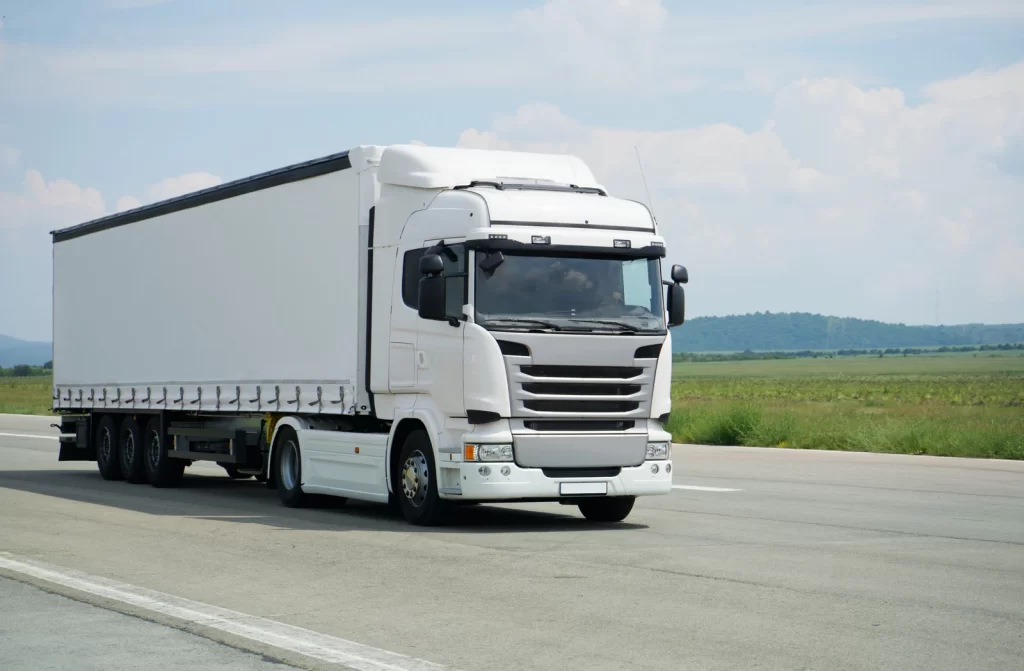
This post explains why proper documentation is crucial for a smooth and timely heavy vehicle registration process. The specialised nature of heavy vehicles requires specific, organised paperwork to satisfy transport authorities and ensure compliance.
- Required forms are highly specific
- Proves ownership, licence, and vehicle weight
- Modifications need scheme approval (VASS)
- Accurate papers ensure safety/compliance
When you begin the national heavy vehicle registration process, the first major hurdle is sorting out the documents. The thing is, heavy vehicles fall under a specialised system, and so you need very specific forms to help the authorities understand exactly what you’re aiming to put on the road. Getting those papers organised early can save you from back-and-forth requests that slow everything down.
What Documents Will You Need to Submit?
You will have to show valid documentation, such as proof of ownership (such as a tax invoice), a copy of your Registered Operator’s Licence, a record of the truck’s tare weight (from a weighbridge slip or previous registration doc), and a Vehicle Assessment Signatory Scheme (VASS) approval certificate if the vehicle has been modified.
In some jurisdictions, you might need additional paperwork like a dealer authority form or a letter of authority if you’re acting on behalf of a company.
Why is Proving Ownership and Tare Weight Important?
The registration system demands clarity about who legally owns the heavy vehicle, what kind of licence the operator holds, and what the unladen weight is. These allow transport authorities to confirm that the vehicle qualifies as a heavy vehicle and that the operator is properly licensed.
Tare weight and proper classification determine the fees and compliance requirements under heavy-vehicle standards. If anything is missing or unclear, it can lead to delays or additional inspections.
What Happens if a Heavy Vehicle Has Been Modified?
If the truck has modifications that affect the standard design, then a certificate under a scheme like VASS becomes essential. A certified VASS approval will confirm that the modifications meet the regulatory standards required for heavy vehicles.
Without that approval, registration could be refused or flagged for extra scrutiny.
What Will a Proper Registration Checklist Look Like?
You should prepare to gather the following truck registration documents:
- Proof of ownership (invoice or contract)
- Registered Operator Licence (front and back)
- Tare weight documentation (weighbridge slip or previous rego certificate)
- VASS approval certificate (if modified)
- Any additional forms required by your state’s transport authority (dealership authority form or letter of authorisation)
This checklist can vary slightly depending on which state or territory you register in, because requirements differ across jurisdictions.
How Does Verifying Documentation Protect You and the Road Network?
Having accurate papers ensures that heavy vehicles comply with the necessary safety, weight, and classification standards. This protects other road users and your own operators and certifies that the vehicle’s operator and owner are clear and traceable. It reduces the risk of penalties for non-compliance.
Proper documentation also makes registration faster. Services that handle heavy-vehicle registration know what to expect when all papers are in order.
If you want support to submit the correct paperwork for heavy vehicle registration, contact New Truck Rego today. We can help you get your national heavy vehicle registration application sorted pronto.
FAQS
What are the mandatory core documents needed for heavy vehicle registration?
The core documentation includes proof of ownership (like a tax invoice), a copy of the Registered Operator’s Licence, and a record of the truck’s tare weight.
Why is a record of the truck’s tare weight essential for registration?
The unladen weight (tare weight) is important because, along with proper classification, it helps transport authorities confirm the vehicle qualifies as a heavy vehicle and determines the applicable fees and compliance requirements.
What is required if a heavy vehicle has been modified from its standard design?
If the truck has modifications, a certificate under a scheme like the Vehicle Assessment Signatory Scheme (VASS) is essential to confirm that the changes meet all regulatory standards.